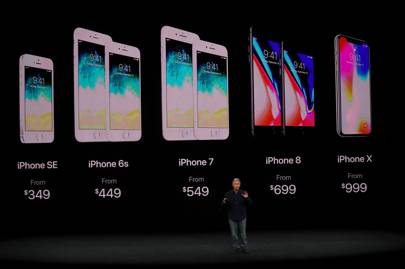
iPhone X vs iPhone 8 vs iPhone 7, the ULTIMATE comparaison
Obtenir le lien
Facebook
X
Pinterest
E-mail
Autres applications
iPhone X vs iPhone 8 vs iPhone 7: should you upgrade?
The slick new iPhone X is almost here, but should upgrade from your existing iPhone?
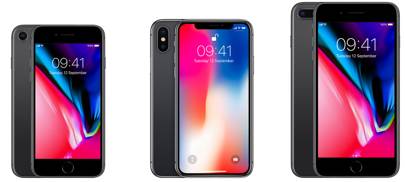
From left: iPhone 7, iPhone 8, iPhone X
Should you upgrade to the oh-so-expensive iPhone X, settle for the cheaper but less exciting iPhone 8, or stick with what you have?
We'll have a full review of the iPhone X soon, but here we run through what's new this year and what's different between the iPhone X, iPhone 8 and older iPhones like the iPhone 7.
How do the new iPhones look different?
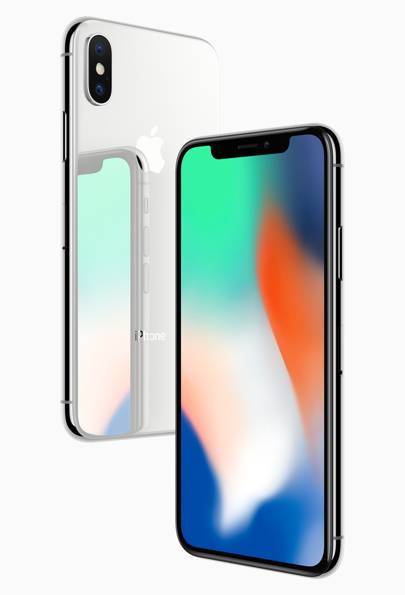
The iPhone X has a dramatically different look to other iPhones. It follows in the footsteps of the Essential Phone and the Samsung Galaxy S8 by increasing its screen-to-body ratio.
By slimming down the bezels and removing the home button (a staple of the iPhone since the original launched in 2007), Apple has crammed a 5.8-inch OLED display into a smaller body than the iPhone 7 Plus and iPhone 8 Plus. There is, however, a love-it-or-hate it indent in the top of the display to make room for the front-facing camera and array of sensors that include an IR camera, "Dot Projector," and "Flood Illumination."
Apple has also replaced the aluminium frame used since the iPhone 6 with a glass back, while retaining the comfortable curved edges, which are now made of a "medical grade" stainless steel on the iPhone X. Despite Apple's claims that the "glass is the most durable ever in a smartphone," glass is a fragile material, meaning that not only do you have to contend with potentially cracking your display when you drop your phone, but also the rear too. If you're particularly clumsy, investing in a case—official or otherwise—is advised. Or, consider sticking with your existing iPhone.
Meanwhile, the iPhone 8 and iPhone 8 Plus look near identical to the iPhone 7 and iPhone 7 Plus at first glance—which in turn look just like the iPhone 6—sporting chunky bezels and a home button/fingerprint reader.
f you're coming from an iPhone 5S, the iPhone 8 design with its larger display is a big step up, but those with an iPhone 6 or newer may struggle to see the upgrade from a design point of view. It's also worth noting that Apple has added a glass back to the iPhone 8 and iPhone 8 Plus, making it more fragile than its predecessors.
How big is the iPhone X compared to other phones?
We get it. Some people are very attached to the diminutive, easy-to-use-in-one-hand dimensions of the iPhone 7 and co. The good news is the 'no bezel' design means the iPhone X is closer to the iPhone 8 than the Plus, despite its large screen, as the below comparison from Apple shows.
Left to right: iPhone 8, iPhone X, iPhone 8 Plus
In numbers, the iPhone X is just 5.2mm taller than an iPhone 8, but the iPhone 8 Plus is a considerable 14.8mm taller than the iPhone X. The iPhone X is also about the same size as a Samsung Galaxy S8, so if you don't mind how it feels in your hand then you'll be fine with the iPhone X.
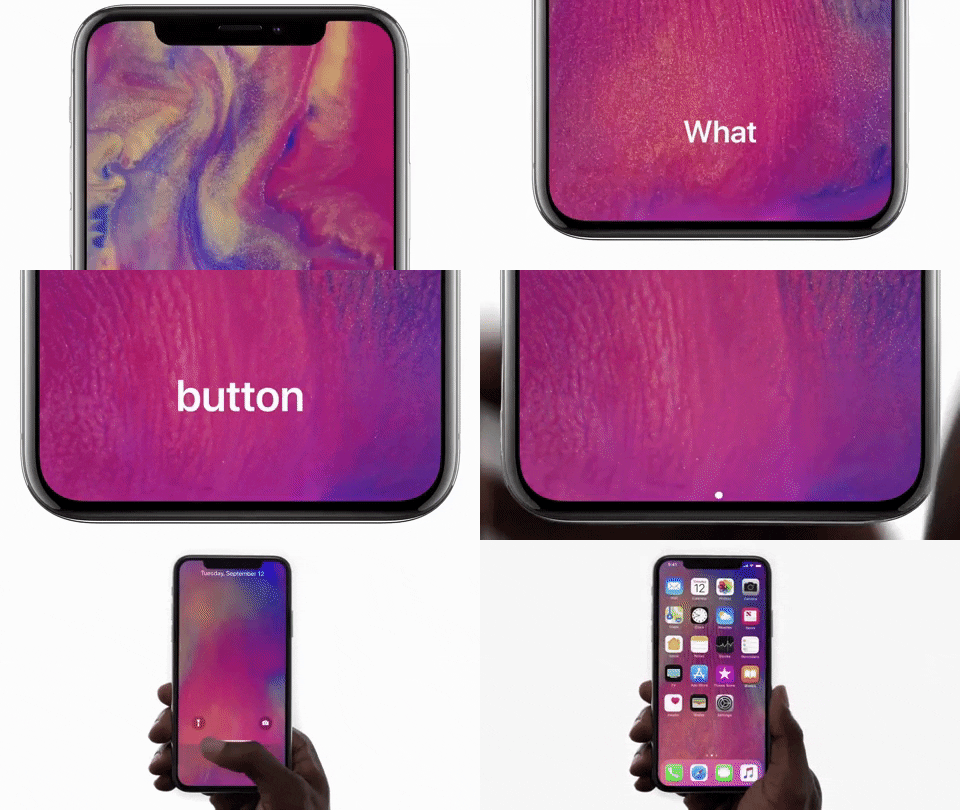
How does the iPhone X work without a home button?
Using swipes. So, for example, you swipe up from the bottom of the screen on the iPhone X to go back to the homescreen just like the example below.
To get to the Control Center you swipe down from the top of the screen on the left side; swiping down from the right side opens your notifications. They're small changes, so they shouldn't be too difficult to learn. TouchID, which was built into the home button, has been replaced by FaceID on the iPhone X but TouchID remains on the iPhone 8 and 8 Plus.
What the heck is FaceID?
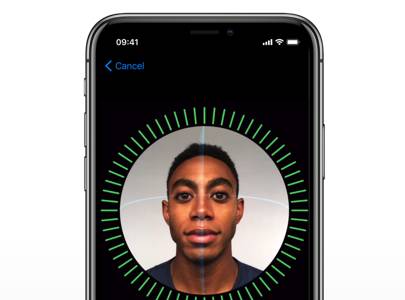
Since Apple has removed the home button from the iPhone X and with it the fingerprint sensor, it's had to come up with a replacement. Enter FaceID, a facial-recognition security system that allows you to unlock your phone with your face.
Unlike Samsung's take on the concept, which debuted in the Galaxy Note 7, FaceID uses the iPhone X's new depth sensing camera to verify your features, meaning it can't be fooled with a photo in the same way Samsung's system can.
It works by using a "Flood Illuminator" (which appears to be a fancy name for a light) to provide enough light for an infrared camera and "Dot Projector" to fire "30,000 invisible IR dots" at your face. The IR image and dot pattern are then pushed through neural networks to create a mathematical model of your face, which is then compared to a stored 3D model.
The facial information is protected by same "secure enclave" used by TouchID, while data processing is done on-device instead of the cloud. Apple claims its tech is so good that FaceID will work in the dark and if you decide to do something like grow a bead, wear glasses, or take up the fine art of hat wearing.
While a fine idea on paper, it remains to be seen whether FaceID can live up to Apple's promises. Early reviews suggest FaceID doesn't suffer from the issues common in other face recognition systems - it works if you're wearing sunglasses, for example. However, some have pointed out issues using the system in certain lighting conditions. It's too early to judge, but we'll be investigating this issue in our full review.
Since the iPhone 8 and iPhone Plus lack the iPhone X's 3D camera, they don't support FaceID, but stick with a fingerprint reader instead.
The iPhone X has an OLED screen, should I care?
While Samsung has been using OLED displays in its devices for years, the iPhone X is the first Apple phone to do so. The IPS LED displays Apple typically uses are very good, but OLED technology allows for richer colours and deeper blacks, thanks to the ability to turn each individual pixel on or off when needed.
Whether or not you prefer the more vivid image of an OLED display compared the an IPS display is largely down to personal preference. However, the display is technically sharper with a 2436x1125 pixel resolution at 458 PPI (the iPhone 8 Plus has a mere 1080p display), while also supporting Dolby Vision and HDR10 content.
What may help sway you is the elongated aspect ratio of the iPhone X. While direct comparisons to the more traditional 16:9 widescreen displays of the iPhone 7 and iPhone 8 Plus are difficult, you're able to read more lines of text inside apps without additional scrolling on the iPhone X's elongated screen.
Are the new iPhones faster?
The iPhone X and iPhone 8 have a new six-core A11 system-on-a-chip (SoC), made up of four low-power core and two performance cores, which is built on a 10nm FinFET manufacturing process instead of the 16nm process of the A10 Fusion in the iPhone 7.
By shrinking the process, Apple can pack more transistors into a smaller space, boosting performance and battery life. Apple claims the iPhone X lasts two hours longer on a charge than the iPhone 7, while also coming in 25 percent faster on the performance cores and 75 percent faster on the energy efficient cores
Should I upgrade?
If you can stomach the £1000/$1000 starting price, the iPhone X has a strikingly different design. Not since the iPhone 4 has Apple so dramatically overhauled its flagship device. The near bezel-free display, super-fast processor and 4K/60FPS video recording make it a huge upgrade for anyone still using an iPhone 5, 5S, or 6. The augmented reality features are a neat too, even if it's not entirely clear what Apple's plans are for the tech in the long run.
If you'd rather not spend so much money, the iPhone 8 remains a compelling option, particularly for iPhone 5 and 5S users. Not only do the iPhone 8 and 8 Plus feature larger displays, but their cameras and general responsiveness are far superior. Still photos will be just as good on the iPhone 8 as they are on the iPhone X too. Yes, you don't get to sport the latest iPhone design, but the iPhone 8 ranks high in terms of pure practicality and value (at least compared to the iPhone X).
The upgrade path for those coming from an iPhone 7 or 7 Plus is less clear. Neither the iPhone 8 or the iPhone X appear to bring a huge improvement in photography, while 4K/60FPS video recording alone isn't worth the price of admission. Only the iPhone X with its new design and augmented reality features is compelling enough to iPhone 7 owners, outrageous price tag notwithstanding.
Either way, it's worth waiting for the WIRED review before taking the plunge.